Understanding hydroponic growing systems
Compare hydroponic systems and kits, and build a setup that fits your space, crop, and goals.
View Starter Packs
Compare hydroponic systems and kits, and build a setup that fits your space, crop, and goals.
View Starter PacksUnlock your plants’ full potential by installing the right hydroponic garden system and hydroponic kit tailored to your needs. Choosing the right hydroponic system empowers growers to make more sustainable choices, using water, nutrients, and space efficiently while producing high-quality crops year-round.
Hydroponics is the term used to describe soilless growing systems. The 3 most common growing methods are Deep Water Culture (DWC), Nutrient Film Technique (NFT), and Flood and Drain System (D2W). Hydroponics is highly controlled, allowing you to establish and maintain optimal growing conditions and nutrient levels for your plants, ensuring they always have what they need to thrive. Hydroponics is a key part of the shift from traditional soil-based agriculture to Controlled Environment Agriculture (CEA), where growers use technology and environmental conditions to produce consistent results.
Hydroponics systems don't require arable land or traditional farming practices and can use up to 95% less water than traditional soil-based agriculture. Because the environment is managed indoors or in protected structures, you can grow year-round regardless of season, as long as your setup provides the right light, temperature, airflow, and nutrition.
Read our: Beginners Guide to Hydroponics

| Grow Medium | Ideal Range |
|---|---|
| Hydroponic pH | 5.5 – 6.5 |
| Hydroponic EC | 0.8 – 2.5 |
The right hydroponic system comes down to your crops, space, budget, and how much control you need over factors like oxygenation, algae, bacteria, and nutrient delivery. This article breaks down the most common system types, explaining how each works, what to watch out for, and which Bluelab tools can help you monitor and maintain pH and EC for healthier plants and better yields.
Click to read more and find the best hydroponic system for your growing needs.


Yes, pH is one of the most critical measurements to track, as it determines nutrient availability and, therefore, the plant's life. With hydroponics, there is no soil to act as a natural buffer helping to maintain a steady pH; therefore, it is crucial to constantly check your pH level for hydroponics.
Deep Water Culture (DWC) is the simplest form of hydroponics. This form of hydroponics uses minimal equipment, has few moving parts, and delivers constant access to water, nutrients, and oxygen.
Yes, Bluelab products are suitable for all hydroponic systems including aquaponics and aeroponics. They provide equipment to measure and monitor critical water quality parameters such as pH, temperature, and electrical conductivity (EC). Regularly checking these parameters helps maintain a balanced and consistent water quality.
Yes, EC behaves differently in recirculating systems compared to drain-to-waste systems. In recirculating systems, the nutrient solution is reused and continuously cycled. This means that as plants take up water and nutrients, the composition of the nutrient solution can change, leading to fluctuations in EC. Regular monitoring is essential to maintain the correct nutrient balance.
In drain-to-waste systems, the nutrient solution is applied and any excess is drained away, which means that the EC of the runoff can provide immediate feedback on nutrient levels. Since the solution is not recirculated, there is less risk of nutrient buildup, but it is still important to monitor EC to ensure that plants are receiving the appropriate nutrient levels. Overall, both systems require careful management of EC, but the dynamics of nutrient uptake and solution composition differ between them.

Want to find out more about hydroponics? Check out this guide to discover the pros and cons as well as the six most common hydroponic setups.

Unlock the potential of your garden by selecting the perfect hydroponic system tailored to your specific requirements.

Want to know what it takes to run a high-performing hydroponic system? From pH to water quality, here are our seven tips for achieving hydroponic success.

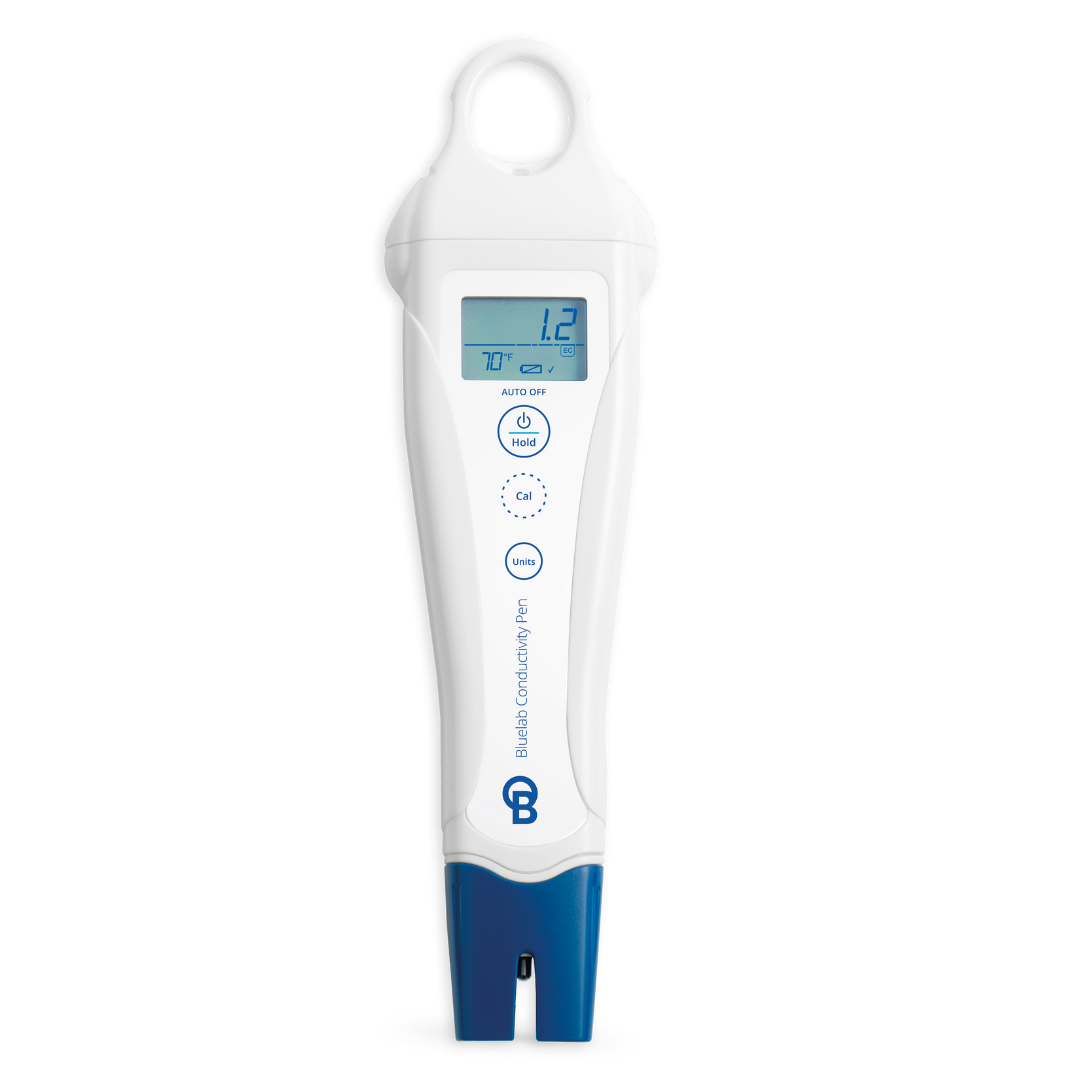
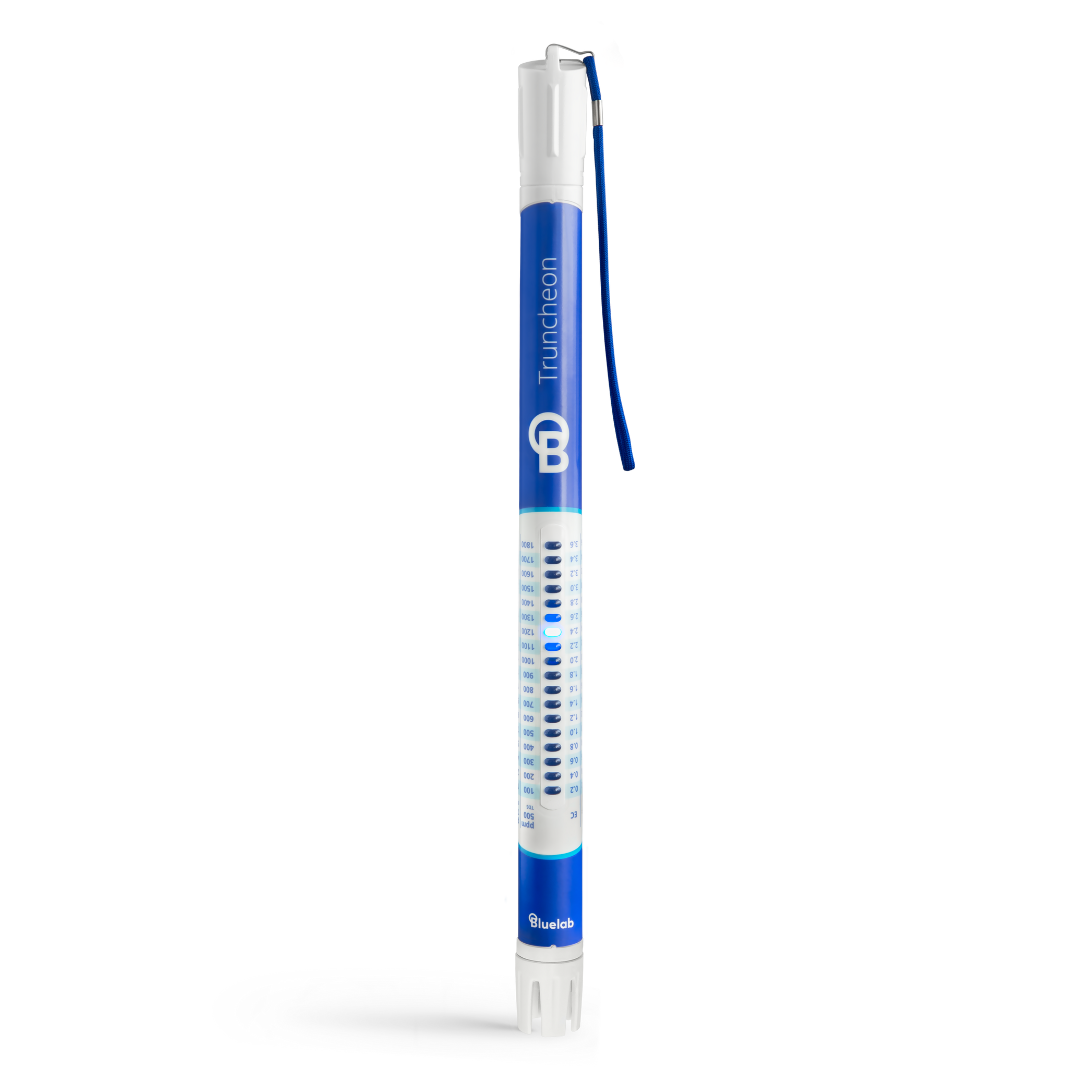
Offering a wide range of tough and dependable nutrient solution testers and accessories that measure pH, conductivity (ppm / EC) and temperature. Our testing products make knowing the essentials easy – so you can have better plants and a better growing horticulture business.

GardeniX empowers hydroponic growers with Bluelab tech for precise, low-labor cultivation, boosting crop success, quality, and sustainability.

Watch our new case study video to find out how New Zealand-based Black Stump Berry Farm has used CEA to improve sustainability and ensure consistent picks.
This is our USA store. It looks like you're in [Country]. For a better shopping experience with local currency and shipping, we recommend our [Region] store.